


Laminated Glass Applications in Modern Architecture
Safety, Performance, and Design Freedom in a Single Glass Solution
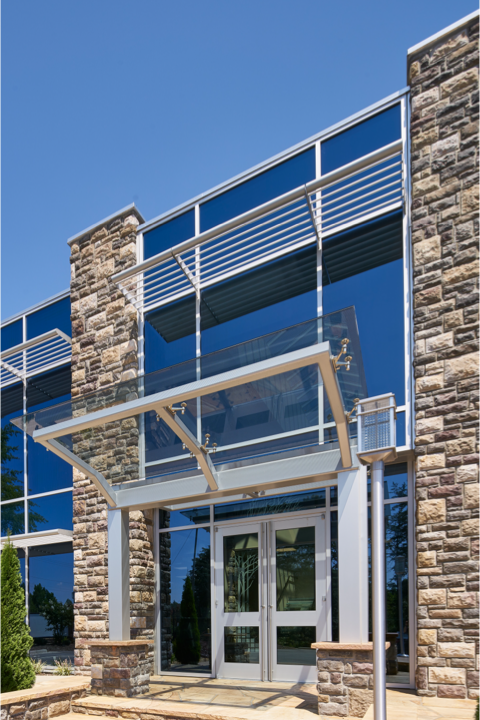
Glass has become one of the defining materials of modern architecture. From expansive curtain walls and transparent entrances to glass railings, skylights, and acoustic office partitions, architects continue to push the boundaries of what buildings can achieve with glass.
As designs become more ambitious, performance requirements continue to increase. Safety, acoustics, structural performance, weather resistance, and aesthetics must often be addressed simultaneously. This is where laminated glass plays a critical role.
By combining multiple glass lites with a durable interlayer, laminated glass offers benefits that go far beyond traditional glazing. It can help protect occupants, reduce noise, improve building performance, and create unique architectural features while maintaining the transparency and daylighting architects desire.
What Is Laminated Glass?
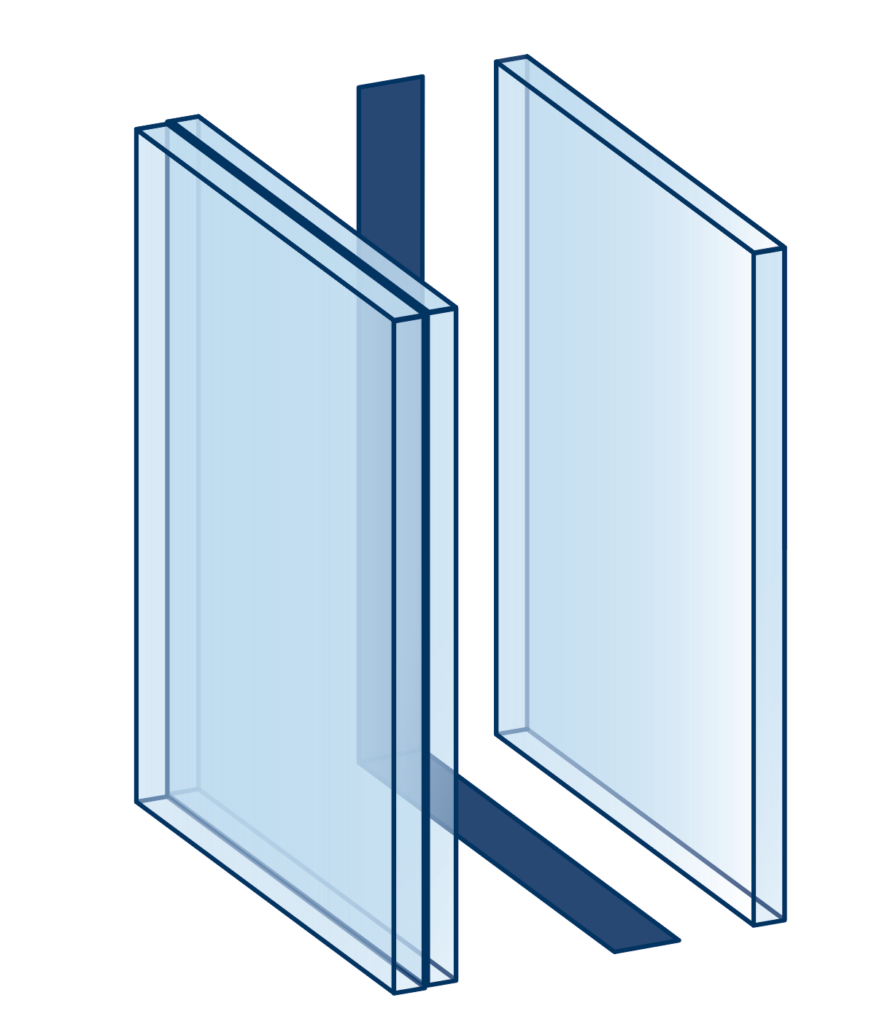
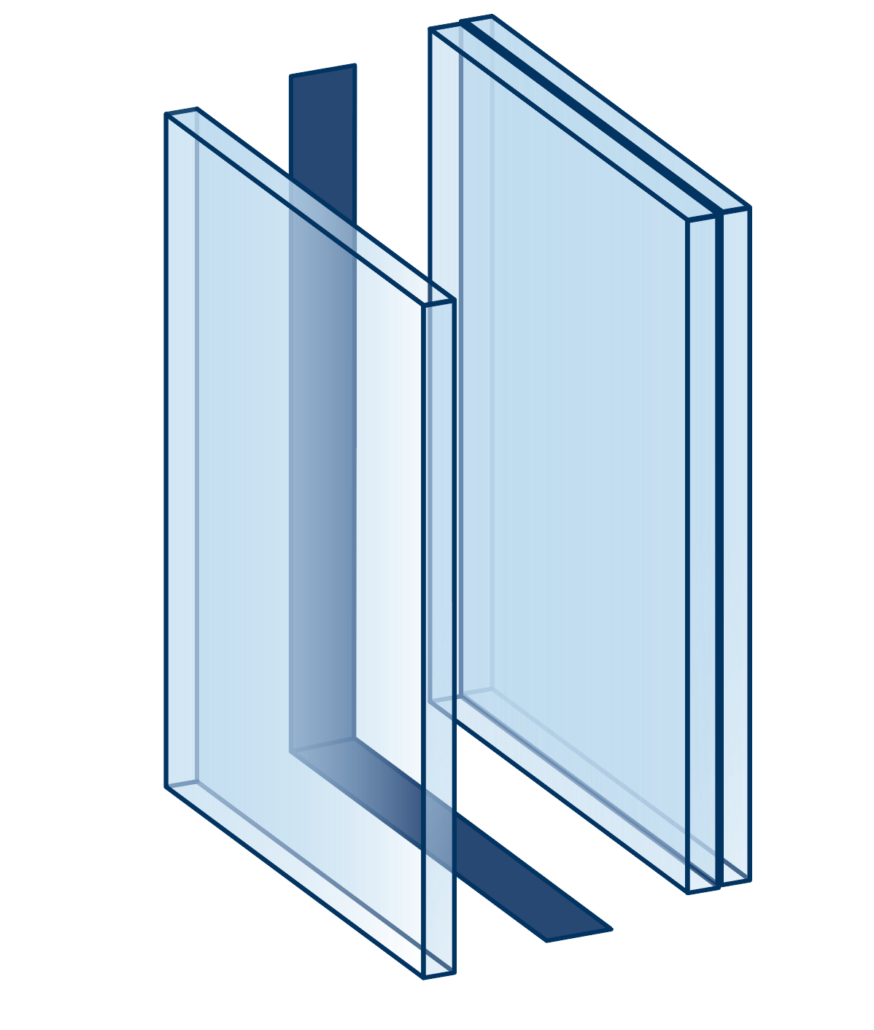
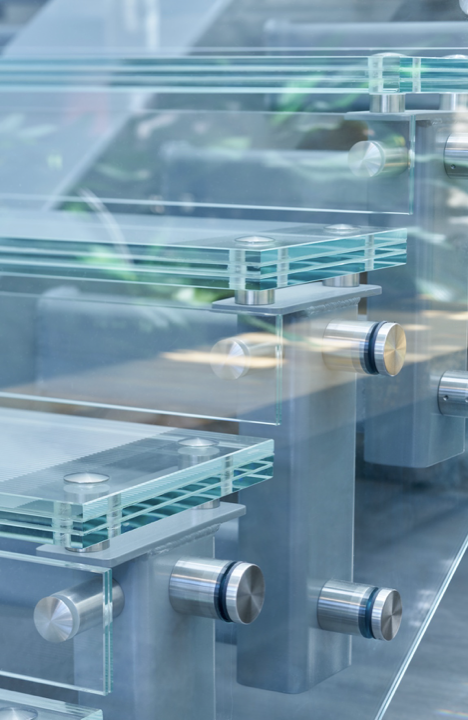
Laminated glass consists of two or more pieces of glass permanently bonded together with an interlayer, commonly polyvinyl butyral (PVB) or ionoplast.
Unlike monolithic glass, laminated glass remains largely intact when broken. The interlayer holds the fragments together, reducing the risk of falling glass and helping maintain a protective barrier.
This unique characteristic makes laminated glass one of the most versatile glazing products available today. Depending on the glass makeup and interlayer selected, it can provide impact resistance, acoustic control, security performance, hurricane resistance, UV protection, and decorative effects.
Impact Resistance and Occupant Safety
One of the primary reasons architects specify laminated glass is safety.
When standard glass breaks, shards can separate and fall from the opening. Laminated glass helps minimize this risk by retaining the broken pieces within the interlayer.
This performance makes laminated glass an excellent choice for:
- Curtain walls
- Storefront systems
- Residential façades
- Educational facilities
- Healthcare buildings
- Public spaces
In coastal regions and hurricane-prone areas, laminated glass is incorporated into impact-resistant glazing systems designed to withstand windborne debris and severe weather events. When combined with appropriate framing systems and engineering, laminated glass can help maintain the building envelope during extreme conditions.
For occupants, the benefit is simple: improved protection when glass is subjected to accidental impact, severe weather, or unexpected breakage.
Decorative and Colored Laminated Glass
Performance is only one side of the equation. Laminated glass also offers significant design flexibility.
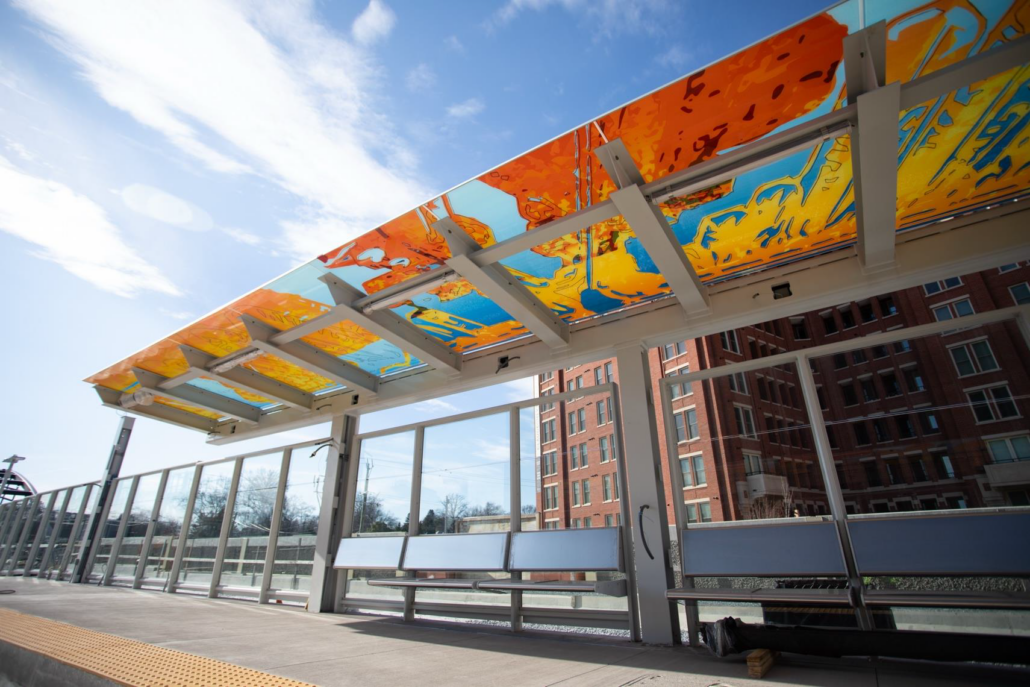
Colored interlayers can be incorporated between glass lites to create vibrant architectural features while preserving the safety benefits of laminated construction.
Architects frequently use decorative laminated glass for:
- Feature façades
- Interior accents
- Transportation projects
- Educational facilities
- Public art installations
- Corporate branding elements
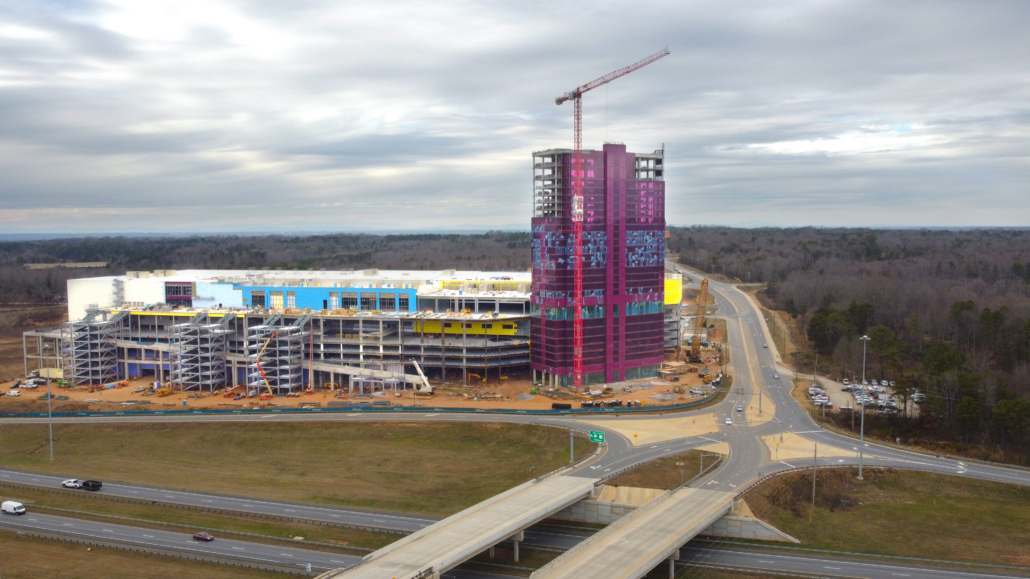
A notable example is Two Kings Casino Resort, where colored Vanceva® interlayers were incorporated into the design to create bold visual effects while maintaining the performance and safety benefits of laminated glass. The project illustrates how laminated glass can become an architectural feature rather than simply a building material.
The ability to combine color, transparency, and safety allows designers to create memorable spaces without sacrificing performance.
Acoustic Performance
Controlling unwanted noise has become a major design consideration as urban environments become denser.
Acoustic laminated glass utilizes specialized sound-dampening interlayers that help reduce sound transmission through the glazing system. These interlayers absorb vibrations that would otherwise travel through the glass and into interior spaces.
Applications include:
- Office buildings
- Conference rooms
- Schools and universities
- Hospitals
- Hotels
- Airports
- Multifamily residential towers
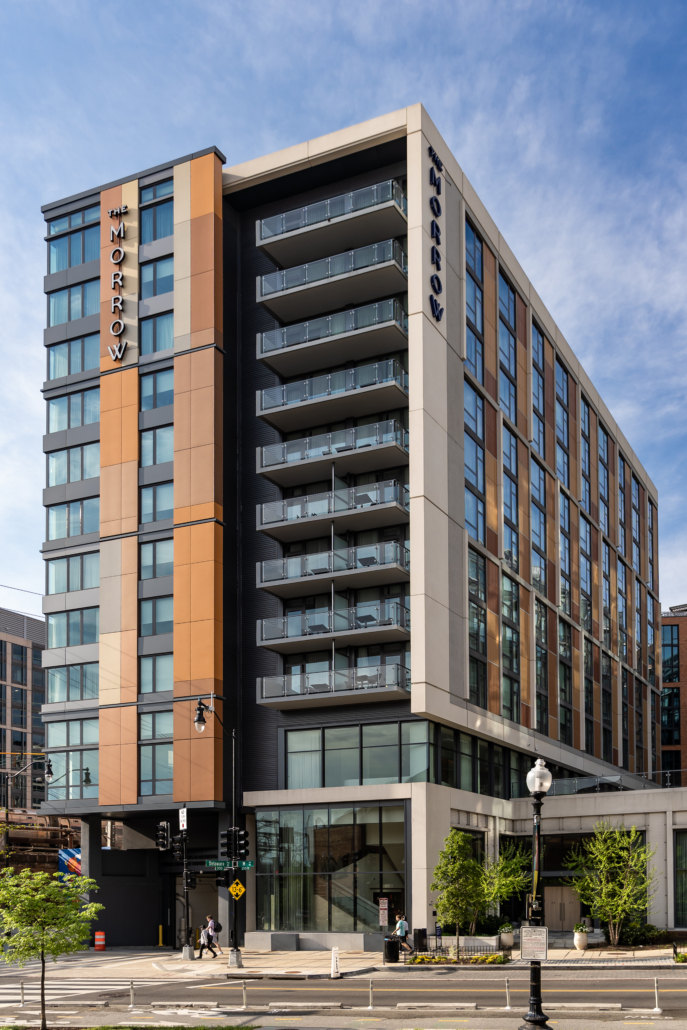
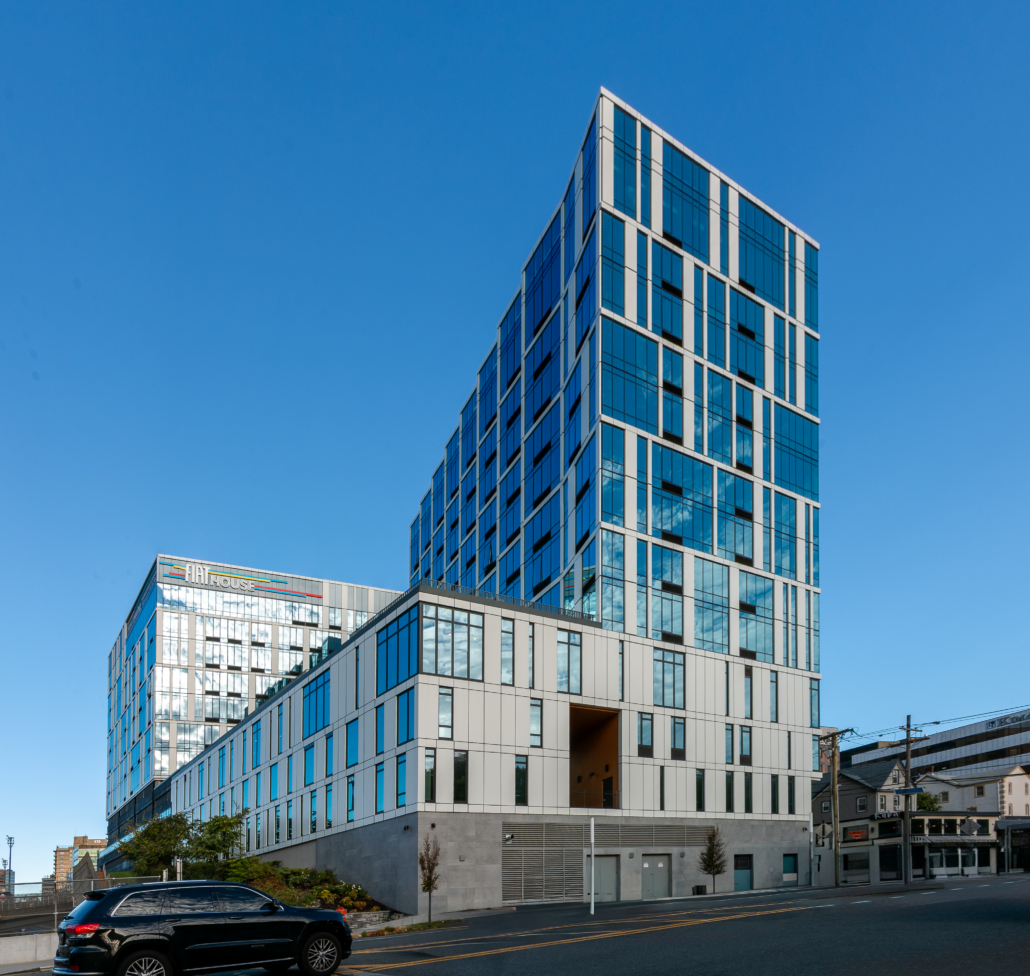
A good example is The Morrow Hotel in Washington, D.C. Located adjacent to active railway lines, the project required a glazing solution that would help improve guest comfort despite the challenging acoustic environment. By incorporating inboard laminated glass with PVB interlayer, the façade helps reduce exterior noise transmission from passing trains while maintaining expansive views and access to natural daylight.
The project demonstrates how laminated glass can help hotels, residential buildings, and mixed-use developments create quieter interior environments in dense urban locations where noise control is a critical design consideration.